
Blocked Drains in Perth: Causes, Fast Fixes, and the Point You Stop Messing Around
Blocked drains in Perth aren’t “just one of those things.” They’re usually a predictable chain reaction: something sticky (grease), something stringy (hair), something ambitious (tree roots), or something stubborn (mineral scale) starts narrowing the pipe… and then every other bit of debris joins the party.
And once you’ve got gurgling, smells, or water rising where it shouldn’t, you’re not dealing with a quirky nuisance anymore. You’re flirting with property damage.
One-line truth: A slow drain is often a warning, not the problem.
The Four Usual Suspects (and how they actually block the line)
Grease: the quiet pipe killer
Here’s the thing: grease doesn’t “wash away.” It cools, clings to pipe walls, and forms a waxy lining that turns your drain into a narrowing tunnel. Then food scraps and sediment stick to that coating, and suddenly you’ve got a clog that laughs at hot water.
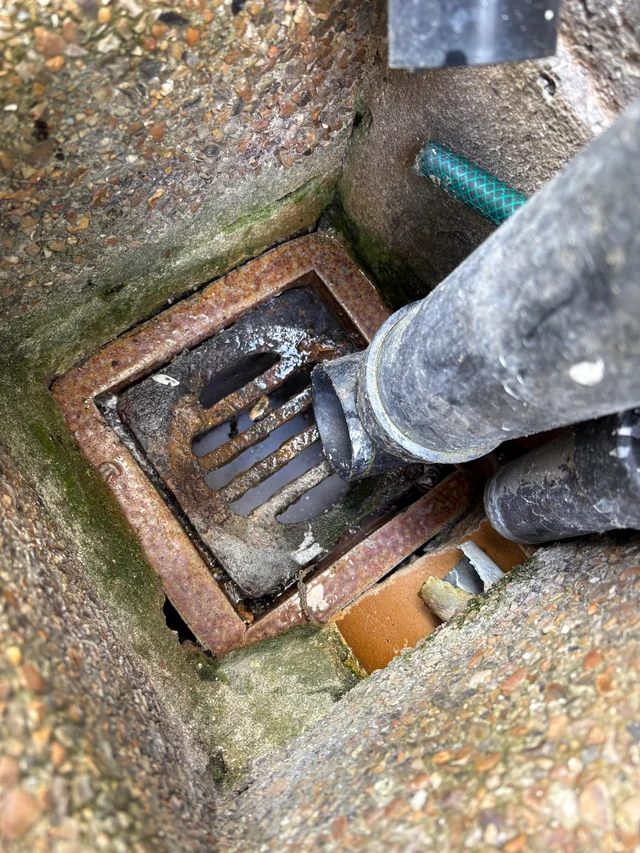
I’ve seen kitchen lines where the internal diameter was basically halved. People swear they “don’t pour oil down the sink,” but pan drippings, creamy sauces, and even “a little bit” adds up. If that buildup has gone too far, a [local blocked drain specialist](https://www.plumbdog.com.au/blocked-drains/buried-gully-found-under-concrete-in-midvale-kitchen-drain-unblocked-plumbdog-plumbing/) can usually tell pretty quickly whether you’re dealing with surface grease or a deeper restriction in the line.
Hair: gross, effective, and weirdly strong
Hair is a net. It catches soap scum, skin cells, lint, whatever comes through, and it knots together into a plug. Bathroom floor wastes and shower traps are the classics, but long hair can migrate further than you’d think, especially in older pipe runs with slight sags.
Tree roots: Perth gardens don’t play nice with old pipes
Roots don’t break into pipes out of spite; they follow moisture. Tiny cracks or old joints seep water, roots sense it, and they push in. Once inside, they thicken and trap passing debris until flow slows to a crawl or stops entirely.
Now, this won’t apply to everyone, but if you’re in an older Perth suburb with mature trees and aging earthenware or older PVC, root intrusion is not a “maybe.” It’s a when.
Mineral buildup (hard water scale): the slow, boring villain
Perth water is relatively hard compared with many other Australian regions, and scale can build over time. Calcium carbonate deposits roughen the inside of pipes, increasing friction and giving grease and debris more surface to cling to.
A useful reference point: Water hardness across Perth commonly sits in the “hard” range, often roughly 150, 300 mg/L as CaCO₃ depending on supply zone, per Water Corporation resources on water quality/hardness (check your suburb’s figures on their site).
Scale is also where corrosion stories start, especially with older metal sections or degraded fittings. Rough interior surfaces accelerate everything.
“Can I fix this right now?” Yeah. Sometimes.
If the drain is slow but not backing up, you’ve got a window to try a couple of practical moves. Keep it simple and don’t start a chemical war under your sink.
Try this sequence (it’s boring, but it works)
– Check the obvious: pull hair/debris from the shower waste, pop out the sink strainer, inspect the trap if it’s accessible. Gloves on. Don’t be brave.
– Plunge properly: full seal, short aggressive strokes, and block the overflow if there is one (a wet rag works). The goal is pressure changes, not random splashing.
– Use a hand auger/snake: slow feed, gentle rotation. If you feel hard resistance that won’t give, don’t force it like you’re drilling a fence post.
– Hot water flush (kitchen only, mild clogs): not boiling if you’ve got older PVC or questionable joints. Warm-to-hot is enough to help shift fats, not melt your plumbing.
One quick opinion: Most supermarket drain chemicals are overpriced optimism. They can help with minor organic buildup, sure, but they’re not “root killer” and they won’t dissolve a grease plug the way people imagine. Also, if you later call a plumber, chemicals left sitting in the line can make their job more hazardous (and they’ll be annoyed, quietly or not).
If you do use a product, follow the label exactly, ventilate the room, and don’t mix products. Ever.
The red flags: when DIY stops being “resourceful” and starts being risky
If any of these show up, stop. Call a licensed plumber.
A short list helps here:
– Sewage smell that keeps returning (not just a one-off whiff)
– Recurring clogs in the same fixture every few weeks
– Gurgling from a nearby drain when you run water elsewhere
– Water backing up into another fixture (run the washing machine, the shower fills… that sort of nonsense)
– Overflow at an outside gully or water pooling near inspection points
– Any sign of pipe damage/corrosion or damp patches that don’t make sense
Those symptoms often point to a mainline restriction, venting issues, root intrusion, or a partially collapsed section. And once wastewater starts reversing direction, it’s not just unpleasant; it’s a hygiene and flooring problem, fast.
One-line paragraph, because it deserves it:
Don’t wait for the toilet to tell you you’ve waited too long.
A Perth-leaning maintenance routine (not fancy, just realistic)
Perth’s mix of hard water, sandy soils in some areas, older housing stock in others, and enthusiastic gardens means prevention isn’t one-size-fits-all. Still, a few habits beat emergency call-outs.
Kitchen and bathroom habits that pay off
– Grease discipline: wipe pans with paper towel before washing, and bin it.
– Hair control: cheap drain screens work. No, they’re not stylish. Yes, they’re effective.
– Quarterly “mini clean”: pull traps/screens, rinse gunk, flush with hot water. Five minutes beats five hundred dollars.
The more technical stuff (for homes with history)
If you’ve had repeat issues, schedule a camera inspection instead of guessing. In my experience, the camera pays for itself the first time it prevents a needless dig-up or identifies roots early enough for non-destructive clearing.
Root management can also be seasonal. After heavy winter rains, saturated ground plus tiny pipe leaks can make intrusion worse. If you’ve got known root-prone lines, don’t pretend it’s solved forever because it cleared once.
Hiring a plumber in Perth: what I’d ask if it were my house
Some plumbers are brilliant troubleshooters. Some are parts changers with a van. You want the first type when drains are involved.
Ask them questions that force specifics:
1) “Are you licensed, and are you insured for this work?”
Don’t feel awkward. Legit operators won’t blink.
2) “How will you diagnose it, camera, locator, pressure testing?”
If the answer is basically “we’ll see,” push harder.
3) “What’s included in the quote?”
Call-out fees, jetting, camera time, root cutting, reinstatement… get it itemised.
4) “If it’s roots or a collapsed section, what’s Plan B and what does it cost?”
A good plumber will outline scenarios without turning it into a scare pitch.
5) “What warranty do you give on the work?”
Parts and labour, and what voids it (some will exclude recurring root intrusion unless remediation is done, which is fair).
Look, reviews matter, but I trust clear scope + transparent pricing + proper diagnostic tools more than a five-star average with suspiciously identical wording.
One last thing (because people get this wrong)
A blocked drain isn’t always “a blockage.” Sometimes it’s a belly in the pipe, a broken joint, a poor fall, or a venting problem that mimics a clog. That’s why repeated symptoms deserve professional eyes, not another round of chemicals and hope.
If your drains are slow once, treat it as a hint.
If they’re slow again, treat it as a pattern.
If they’re backing up, treat it as urgent.
